Clavering Primary School

Speech, Language and Communication Needs
 Almost everything we do involves speech, language and/or communication. Everyday tasks, learning, sorting out problems, having a conversation, getting a job, making friends and having fun all rely on our ability to communicate.
Being able to say what you want to say and to understand what other people are saying is the most important skill we need in life. Yet many people take communication for granted. Some children and young people have difficulty communicating with others; they have speech, language and communication needs - often referred to as ‘SLCN’.
NOTE: If you are concerned about your child’s speech, language and/or communication, please speech to your child’s teacher and/or Mr Hall
Speech refers to:
- speaking with a clear voice, in a way that makes speech interesting and meaningful;
- speaking without hesitating too much or without repeating words or sounds;
- being able to make sounds like ‘k’ and ‘t’ clearly so people can understand what you say.
Language refers to talking and understanding:
- joining words together into sentences, stories and conversations;
- knowing and choosing the right words to explain what you mean;
- making sense of what people say.
Communication refers to how we interact with others:
- using language or gestures in different ways, for example to have a conversation or to give someone directions;
- being able to consider other people’s point of view;
- using and understanding body language and facial expressions, such as: knowing when someone is bored, being able to listen to and look at people when having a conversation, knowing how to take turns and to listen as well as talk, and knowing how close to stand next to someone.
This section of our website provides information about children and young people who may need some additional help with their communication, some signs to look out for and some ways to provide further help.
Publications from the Communication Trust
The Communication Trust is a campaigning voice for children with speech, language and/or communication needs. Click on any of the images to open up the relevant publication.
Their website is www.thecommunicationtrust.org.uk
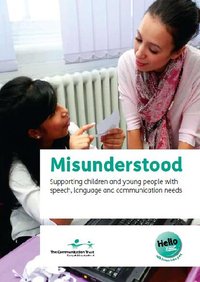
Misunderstood
This publication explains what speech, language and communication needs are and included advice and guidance on how to support communication development.
You can access it by clicking here.
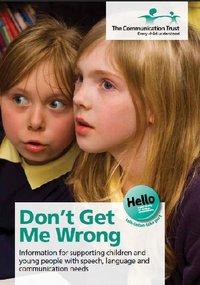
Don’t Get Me Wrong
This is a follow-on publication from Misunderstood, looking in more detail at speech, language and communication needs and giving further support and guidance.
You can access it by clicking here.
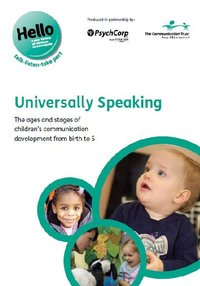
Universally Speaking (birth to 5)
This publication provides information about what helps children learn to talk and listen, whether they are on the right track and what to do if you have concerns.
You can access it by clicking here.
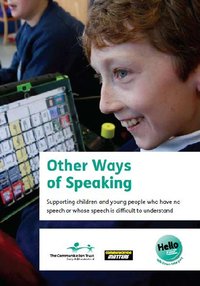
Other Ways of Speaking
This publication looks at the different methods we use to communicate, especially the methods used by children who have no speech or whose speech is difficult to understand.
You can access it by clicking here.
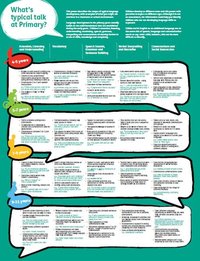
Primary Milestones Poster – What’s typical talk at primary?
This poster identifies milestones that primary aged children are likely to be at with their communication.
You can access it by clicking here.
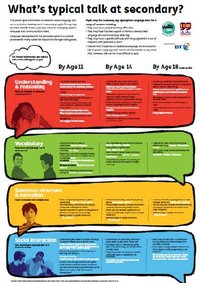
Secondary Milestones Poster – What’s typical talk at secondary?
This poster identifies milestones that secondary aged children are likely to be at with their communication.
You can access it by clicking here.
Factsheets from I CAN
I CAN is a charity that supports children with speech, language and/or communication difficulties.
Their website is www.ican.org.uk
These factsheets from I CAN are designed to support children who have difficulties with speech and language:
Language difficulties in the early years
Classroom Strategies for Primary Schools
Classroom Strategies for Secondary Schools
Click on the relevant title to download the publication.